

 |
 |
|
| The impact of Rockwool |
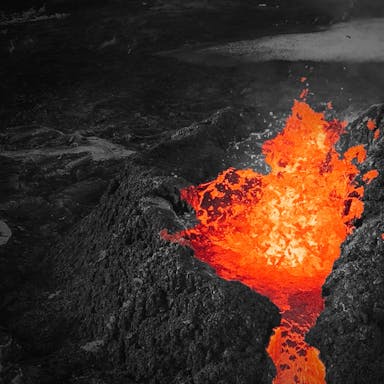
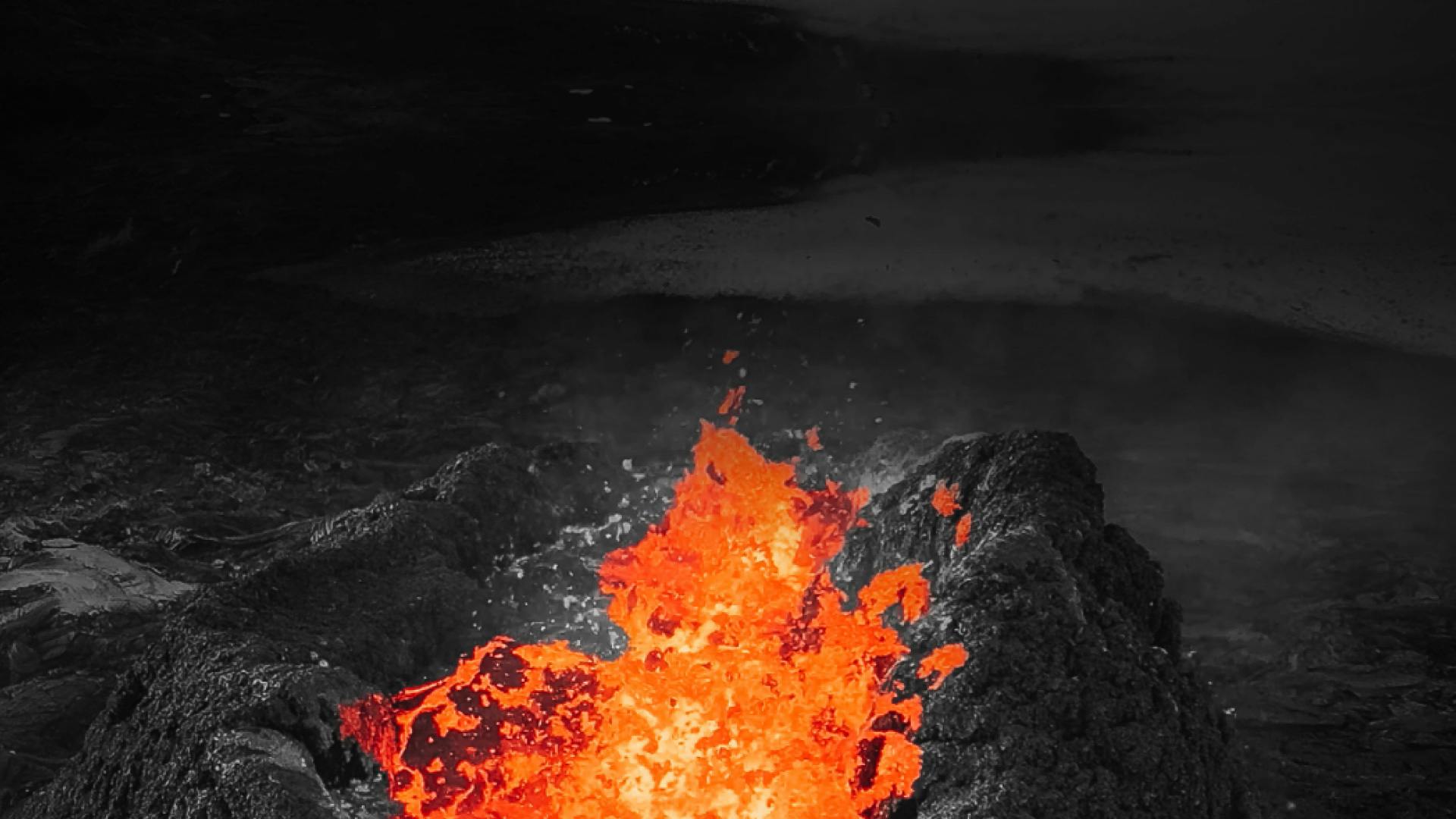
Made primarily from volcanic rock, Rockwool insulation products offer a combination of properties that no other insulation material can match. Rockwool products are used in applications as diverse as protecting against hydrocarbon fires on platforms, reducing noise from air ducts in offices and insulation lofts in family homes. The key environmental impact of Rockwool insulation is its ability to conserve non-renewable fossil energy and reduce air pollution as a result. It is one of the few industrial products that actively improve the environment. A typical Rockwool product can save a hundred fold more CO2, SO2 and NO2 than has been emitted during its production. The exact environmental impact of any material depends upon the particular product used, the design of the overall construction and the local climate conditions. Life Cycle assessments (LCAs) are an important tool to document the green profile of the products. Over the lifetime of use in typical UK building, savings in greenhouse gases as a result of reduced heating are several hundred times bigger than the emissions associated with producing Rockwool products used. A positive environmental balance is typically provided after three weeks. For the purposes of calculating energy balances for buildings, a 50-year lifetime is used. Life cycle assessment (LCA)
The test of the environmental impact of an activity or a product is a scientifically based Life Cycle Assessment. It is a comprehensive method of evaluating the full environmental consequences of a product over its lifetime. All positive and negative environmental consequences over an entire lifetime are calculated. From the extraction of raw materials to its end disposal, reuse and recycling. Rockwool LCA report is based on a through LCA that fulfils the quality standards of the ISO 14000 series and has undergone third party scrutiny and peer review.
A Life Cycle Inventory (LCI) is the identification and quantification of these inputs and emissions. The sum of the energy used to manufacture a product and its feedstock is referred to as the embodied energy.
Rockwool has carried out a full Life Cycle Assessment on a standard product which ha been fully verified by an independent organisation. The LCA Summary and verification document can be downloaded in PDF.
|
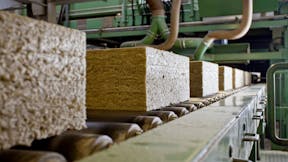
Environmental policy Rockwool Group has drawn up an environmental policy. The policy prescribes that each subsidiary must have an Environmental Management System (EMS), which covers responsibility and control procedures. Te natural basic rock material for making Rockwool is an abundant resource. Great care is taken during both the manufacturing process and distribution of finished insulation products to minimise any environmental impact. Rockwool’s operation team monitors the production processes carefully to ensure any emissions is within specified limit. It is Rockwool group policy to adhere to environmental standards better than national and local requirements. The embodied energy in Rockwool is probably the lowest for any commercially produced insulation. |
|
Rockwool environment report

Environment policy |
The environmental return of the manufacture of a square metre of Rockwool will vary depending on its application, but will typically be around 100-300 to 1 for wall insulation systems and much higher for insulation of hot industrial pipes and processes, typically over 10,000 to 1. Energy saving is directly proportionate to the thickness of the insulation applied. One square metre of 150mm loft insulation is associated with a once only cost of around 65 Mega joules of energy, but saves annually approximately 300 Mega joules. A bungalow with a properly insulated loft area of 100 m² will, over 50 years, save over 1.5 million Mega joules. In a similar way, one linear metre of 50mm industrial Rockwool insulation on larger diameter pipe with an operating surface temperature of 350°C typically in service for half a year, will save around 57,000 Mega joules, against a one off energy cost of 67 Mega joules at installation. Rockwool insulation is one of the rare industrial products that save more energy that it requires. An Environmental report for the Rockwool Group is available. Zero ozone depleting potential (ODP) & Zero global warming potential (GWP) The principal legislation controlling ozone-depleting substances (ODS) is the European Council Regulation on substances that have an adverse impact on the ozone layer in the upper atmosphere. The environmental Protection regulations 2003 apply controls on various ODSs. Rockwool insulation relies upon trapped air for its thermal properties, which has neither ozone depleting nor global warming potential. By specifying Rockwool, you are playing a big part in helping to protect our precious planet.  |
|
|
| Back
| |
|
| |
|
Rockwool Limited, Pencoed, Bridgend, CF35 6NY, UK
| 01656 862621 |
|
Copyright © Rockwool Limited, Disclaimer |
|
|
|